
हाम्रो बारेमा

People’s Supremacy – Global Knowledge & Governance Institute स्वतन्त्र वैचारिक अनुसन्धान संस्था, डिजिटल ज्ञान भण्डार र संवैधानिक तथा शासन अध्ययन केन्द्र हो।

संस्थाको परिचय

यसको वैचारिक आधार अमर केसीद्वारा प्रतिपादित People’s Supremacy System (जनसर्वोच्चता प्रणाली) हो, जसमा जनता सार्वभौम हुन्छन् र राज्य जनताको उत्तरदायी सेवक हुन्छ।

संस्थाले दर्शन, संविधान, शासन, आर्थिक तथा मौद्रिक सम्प्रभुता र विश्वव्यापी शासनबारे अनुसन्धान, अध्ययन, नीति विश्लेषण र प्रकाशन गर्छ, र राष्ट्रिय तथा अन्तर्राष्ट्रिय अनुसन्धानकर्ताबीच सहकार्यको मञ्च बन्ने लक्ष्य राख्छ।

दृष्टि

विश्वव्यापी रूपमा जनसार्वभौमसत्ता, सामाजिक न्याय, संवैधानिक सर्वोच्चता, आर्थिक स्वायत्तता तथा उत्तरदायी शासन व्यवस्थामा आधारित ज्ञान र नीतिगत संरचनाको विकास गर्नु।

लक्ष्य

  • People's Supremacy सम्बन्धी दर्शनको अध्ययन, अनुसन्धान र विकास।
  • जनसार्वभौमसत्तामा आधारित संवैधानिक अवधारणाको विकास।
  • सामाजिक, राजनीतिक र आर्थिक सम्प्रभुताको अनुसन्धान।
  • राष्ट्रिय तथा विश्वव्यापी शासन प्रणालीका वैकल्पिक मोडेल विकास।
  • अन्तर्राष्ट्रिय अनुसन्धानकर्ता तथा संस्थाबीच सहकार्य।
  • सार्वजनिक ज्ञान, नीति संवाद र जनसहभागिता विस्तार।

मूल संस्थागत सिद्धान्त

  • जनसार्वभौमसत्ता
  • संवैधानिक सर्वोच्चता
  • सामाजिक न्याय
  • लोकतान्त्रिक उत्तरदायित्व
  • आर्थिक सम्प्रभुता
  • मौद्रिक सम्प्रभुता
  • संस्थागत पारदर्शिता
  • विश्वव्यापी मानव मर्यादा
  • विश्वव्यापी सहकार्य

वैचारिक अनुसन्धान संस्था

अनुसन्धान, अध्ययन, नीति विश्लेषण र प्रकाशन।

ज्ञान संस्था

सिद्धान्त, पुस्तक, अभिलेख र शैक्षिक सामग्री।

जनसहभागिता मञ्च

संवाद, परामर्श, अनुसन्धान सहकार्य र जनसहभागिता।
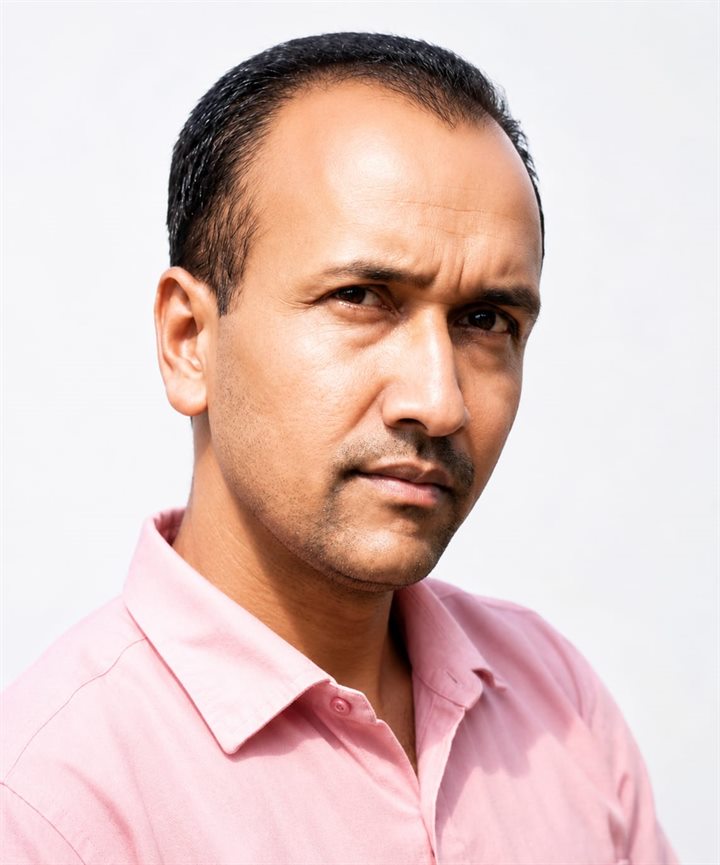
अमर केसीको तस्बिर

संस्थापक तथा चिन्तक

अमर केसी

लेखक, राजनीतिक चिन्तक र दार्शनिक

अमर केसी लेखक, राजनीतिक चिन्तक र दूरदर्शी दार्शनिक हुन्। उनको बौद्धिक कार्यले जनसर्वोच्चता प्रणाली (People’s Supremacy System) को व्याख्या गर्छ, जुन मानव समाजको संगठनलाई नयाँ ढंगले परिभाषित गर्न तयार गरिएको एक समग्र प्रतिमान हो। उनको सैद्धान्तिक ढाँचाले जनशक्ति, राज्य संरचना, आर्थिक संरचना र विश्व व्यवस्थाबीचको गहिरो अन्तरसम्बन्धको खोजी गर्छ।

जनसर्वोच्चता, सामाजिक सार्वभौमिकता, सामाजिक न्याय, राष्ट्रिय सार्वभौमिकता, आर्थिक सार्वभौमिकता, मौद्रिक सार्वभौमिकता र विश्वव्यापी जनसार्वभौमिकताका आधारभूत सिद्धान्तमा आधारित केसीको लेखनले वैध अधिकार केवल जनतामा निहित हुन्छ भन्ने स्थापित गर्छ।

आत्मनिर्भर मौद्रिक प्रणाली र सार्वभौम शासनसम्बन्धी निरन्तर खोजमार्फत उनी एउटा संरचनात्मक खाका निर्माण गर्छन्, जसको लक्ष्य राष्ट्रिय स्वतन्त्रता सुनिश्चित गर्नु, सामाजिक समानता अघि बढाउनु र प्रत्येक संस्थाले अन्ततः मानवीय मर्यादा र सामूहिक समृद्धिको सेवा गरोस् भन्ने सुनिश्चित गर्नु हो।

“म आफैमा एउटा विश्वविद्यालय हुँ। जुन विषय व्यवहारमा लागु गर्छु, त्यसमा म उतिर्ण हुनेछु।”

— अमर केसी
  • जनता सार्वभौम हुन्।
  • जनताको प्रधानता।
  • राज्य उत्तरदायी सेवक हो।
  • न्याय सबैको अधिकार हो।
  • विश्व मानवताको साझा घर हो।

संवैधानिक संघर्ष

प्रधानन्यायाधीशलाई कार्यकारी प्रमुख बनाइएकोविरुद्ध अमर केसीको रिट

वि.सं. २०६९ मा तत्कालीन प्रधानन्यायाधीश खिलराज रेग्मीलाई मन्त्रिपरिषद्को अध्यक्ष बनाइँदा न्यायपालिका र कार्यपालिकाको नेतृत्व एउटै व्यक्तिमा पुग्यो। नेपाल राष्ट्रिय लोकतान्त्रिक दलका अध्यक्ष अमर केसीले शक्ति पृथकीकरण, न्यायिक स्वतन्त्रता र संवैधानिक सर्वोच्चताको प्रश्न उठाउँदै सर्वोच्च अदालतमा संवैधानिक रिट दायर गर्नुभयो।

रिट नम्बर
०६९–WO–१०६७
अदालत
सर्वोच्च अदालत, नेपाल
संवैधानिक व्यवस्था
अन्तरिम संविधान, २०६३ को धारा १५८
मुख्य माग
धारा १५८ अन्तर्गत जारी राष्ट्रपतिको आदेश बदर
इजलास
पाँच सदस्यीय संवैधानिक इजलास (३–२ बहुमत)
अन्तिम फैसला
२०७२ चैत १५ (२८ मार्च २०१६)

केन्द्रीय प्रश्न

के अन्तरिम संविधानको धारा १५८ प्रयोग गरेर बहालवाला प्रधानन्यायाधीशलाई कार्यपालिकाको प्रमुख बनाउन सकिन्छ?

  • शक्ति पृथकीकरण
  • न्यायिक स्वतन्त्रता र निष्पक्षता
  • कार्यपालिका र न्यायपालिकाको स्वायत्तता
  • राष्ट्रपतिको अधिकारको सीमा
  • संवैधानिक सर्वोच्चता
  • लोकतान्त्रिक जवाफदेहिता

घटनाक्रम

  1. २०६९ जेठ १४नयाँ संविधान जारी नगरी पहिलो संविधानसभा विघटन।
  2. २०६९ फागुन ३०धारा १५८ अन्तर्गत बाधा अड्काउ फुकाउने राष्ट्रपतिको आदेशको प्रक्रिया।
  3. २०६९ चैत १प्रधानन्यायाधीश खिलराज रेग्मी मन्त्रिपरिषद्को अध्यक्ष नियुक्त।
  4. २०६९–२०७०नियुक्ति र आदेशविरुद्ध सर्वोच्च अदालतमा रिटहरू दायर, अमर केसीको रिट ०६९–WO–१०६७ सहित।
  5. २०७० भदौ २०निर्णय नं. ९०१७: अमर केसीको रिटसहित सात रिट पूर्ण सुनुवाइका लागि राखिए; अन्य १७ रिट खारेज।
  6. २०७० फागुन ११रेग्मीद्वारा दुवै पदबाट राजीनामा।
  7. २०७२ चैत १५पाँच सदस्यीय संवैधानिक इजलासले ३–२ को बहुमतले रिट खारेज गर्‍यो। प्रधानन्यायाधीश कल्याण श्रेष्ठ र न्यायाधीश सुशीला कार्कीले नियुक्ति अन्तरिम संविधानको मर्मअनुरूप नभएको र यस्तो अभ्यास नदोहोरिनुपर्ने राय दिए।

रिट खारेज हुनु र नियुक्ति संवैधानिक रूपमा निर्विवाद ठहरिनु एउटै कुरा होइन।

पूरा मुद्दा विवरण पढ्नुहोस्

संस्थागत संरचना

  1. संस्थापक / सैद्धान्तिक प्रवर्तकअमर केसी
  2. सञ्चालक समितिसंस्थागत नीति तथा प्रशासनिक निगरानी
  3. कार्यकारी निर्देशनालयदैनिक संस्थागत सञ्चालन

यो प्रस्तावित संगठनात्मक नमुना हो। वास्तविक समिति, निर्देशक र पदाधिकारी संस्थाको कानुनी दर्ता, Charter र संस्थापकको स्वीकृतिअनुसार तोकिनेछन्।

शासन तथा पारदर्शिता

वेबसाइटको विश्वसनीयता संस्थागत पारदर्शिता र सामग्रीको प्रामाणिकताबाट स्थापित हुन्छ। यी नीतिहरू तयार भइरहेका छन् र तयार भएपछि यहाँ प्रकाशित हुनेछन्।

  • संस्थागत Charterतयारीमा
  • अनुसन्धान नैतिकतातयारीमा
  • सम्पादकीय नीतितयारीमा
  • समकक्षी समीक्षा नीतितयारीमा
  • स्वार्थको द्वन्द्व नीतितयारीमा
  • प्रतिलिपि अधिकार नीतितयारीमा
  • गोपनीयता नीतिप्रकाशित
  • सुधार नीतितयारीमा
  • वार्षिक प्रतिवेदनतयारीमा
  • वित्तीय पारदर्शितातयारीमा

दस्तावेजको स्थिति

अनुसन्धान प्रस्तावलाई लागू भइसकेको संविधान वा नीति ठानिने गल्ती नहोस् भनेर हरेक दस्तावेजमा यीमध्ये एउटा स्थिति देखाइन्छ:

  • अवधारणा पत्र
  • छलफल मस्यौदा
  • अनुसन्धान प्रस्ताव
  • सार्वजनिक परामर्श मस्यौदा
  • स्वीकृत संस्थागत दस्तावेज
  • ऐतिहासिक अभिलेख

About the institute

People's Supremacy – Global Knowledge & Governance Institute is an independent think tank, a digital knowledge library and a centre for constitutional and governance studies.

Institutional introduction

Its intellectual foundation is the People's Supremacy System articulated by Amar KC, in which the people are sovereign and the state is their accountable servant.

The institute researches, studies, analyses and publishes on philosophy, the constitution, governance, economic and monetary sovereignty and global governance, and aims to become a platform for collaboration between researchers in Nepal and around the world.

Vision

To develop knowledge and policy frameworks, worldwide, grounded in popular sovereignty, social justice, constitutional supremacy, economic self-reliance and accountable government.

Mission

  • Study, research and develop the philosophy of People's Supremacy.
  • Develop constitutional thinking grounded in popular sovereignty.
  • Research social, political and economic sovereignty.
  • Develop alternative models of national and global governance.
  • Build collaboration between researchers and institutions worldwide.
  • Widen public knowledge, policy dialogue and participation.

Core principles

  • People's sovereignty
  • Constitutional supremacy
  • Social justice
  • Democratic accountability
  • Economic sovereignty
  • Monetary sovereignty
  • Institutional transparency
  • Universal human dignity
  • Global cooperation

Think tank

Research, study, policy analysis and publishing.

Knowledge institution

Theory, books, archives and educational material.

Public engagement platform

Dialogue, consultation, research collaboration and participation.

Portrait of Amar KC

Founder & thinker

Amar KC

Author, political thinker and philosopher

Amar KC is an author, political thinker, and visionary philosopher whose intellectual work articulates the People’s Supremacy System, a comprehensive paradigm designed to redefine the organization of human society. His theoretical framework explores the deep interconnections between popular power, state structure, economic architecture, and global order.

Rooted in the foundational principles of People’s Supremacy, Social Sovereignty, Social Justice, National Sovereignty, Economic Sovereignty, Monetary Sovereignty, and Universal People’s Sovereignty, KC’s writing establishes that legitimate authority resides solely with the people.

Through an ongoing journey of inquiry into self-reliant monetary systems and sovereign governance, he constructs a structural blueprint aimed at securing national independence, advancing social equity, and ensuring that every institution ultimately serves human dignity and collective prosperity.

“I am a university in myself. Whatever subject I put into practice, in that I shall pass.”

— Amar KC
  • The people are sovereign.
  • Primacy of the People.
  • The state is an accountable servant.
  • Justice is the right of all.
  • The world is the common home of humanity.

Constitutional struggle

Amar KC's writ against a sitting Chief Justice heading the executive

In 2069 B.S. (2013) the then Chief Justice Khil Raj Regmi was appointed Chairman of the Council of Ministers, placing the leadership of the judiciary and the executive in one person. Amar KC, Chairman of the Nepal National Democratic Party, filed a constitutional writ before the Supreme Court, raising questions of separation of powers, judicial independence and constitutional supremacy.

Writ number
069-WO-1067
Court
Supreme Court of Nepal
Provision
Article 158, Interim Constitution of Nepal, 2007 (2063 B.S.)
Principal demand
Annulment of the presidential order issued under Article 158
Bench
Five-member Constitutional Bench (3–2 majority)
Final judgment
15 Chaitra 2072 B.S. (28 March 2016)

The central question

Could Article 158 of the Interim Constitution be used to allow an incumbent Chief Justice to become head of the executive?

  • Separation of powers
  • Judicial independence and impartiality
  • Autonomy of executive and judiciary
  • Limits of the President's authority
  • Constitutional supremacy
  • Democratic accountability

Timeline

  1. 14 Jestha 2069The First Constituent Assembly is dissolved without a new constitution.
  2. 30 Falgun 2069The President begins the process of an order under Article 158 to remove constitutional obstacles.
  3. 1 Chaitra 2069Chief Justice Khil Raj Regmi is appointed Chairman of the Council of Ministers.
  4. 2069–2070Writ petitions are filed against the appointment and the order, among them Amar KC's writ 069-WO-1067.
  5. 20 Bhadra 2070Decision No. 9017: seven writs, including Amar KC's, are kept for full hearing; 17 others are dismissed.
  6. 11 Falgun 2070Regmi resigns from both positions.
  7. 15 Chaitra 2072A five-member Constitutional Bench dismisses the writs by a 3–2 majority. Chief Justice Kalyan Shrestha and Justice Sushila Karki find the appointment inconsistent with the spirit of the Interim Constitution and say it must not be repeated.

Dismissal of the writs and a finding that the appointment was constitutionally beyond question are not the same thing.

Read the full case record

Institutional structure

  1. Founder / Principal thinkerAmar KC
  2. Board of GovernanceInstitutional policy and administrative oversight
  3. Executive DirectorateDay-to-day institutional operation

This is a proposed organisational model. The actual board, directors and office-holders will be set by the institute's legal registration, its Charter and the founder's approval.

Governance & transparency

A website's credibility comes from institutional transparency and authentic content. These policies are being prepared and will be published here when ready.

  • Institutional CharterIn preparation
  • Research EthicsIn preparation
  • Editorial PolicyIn preparation
  • Peer Review PolicyIn preparation
  • Conflict of Interest PolicyIn preparation
  • Copyright PolicyIn preparation
  • Privacy PolicyPublished
  • Corrections PolicyIn preparation
  • Annual ReportsIn preparation
  • Financial DisclosureIn preparation

Document status

So that a research proposal is never mistaken for a constitution or policy already in force, every document shows one of these statuses:

  • Concept Paper
  • Discussion Draft
  • Research Proposal
  • Public Consultation Draft
  • Approved Institutional Document
  • Historical Archive